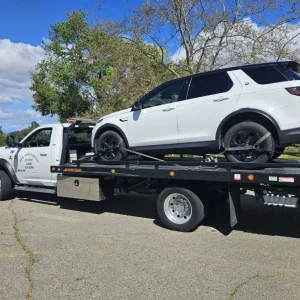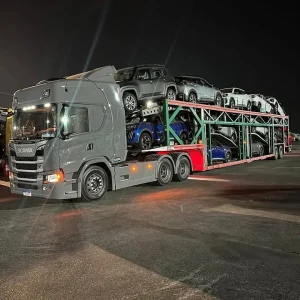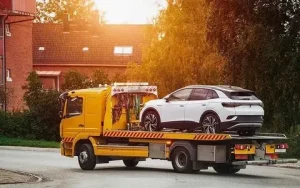

Enclosed car transport offers additional protection for vehicles that require special attention during shipping. Ideal for luxury cars, classic automobiles, exotic vehicles, and collectibles, this service uses covered transport trailers to reduce exposure to weather, road debris, and outdoor conditions. Car Shipping Partners helps customers arrange enclosed vehicle shipping based on their transportation needs and preferences.

Some vehicles deserve an extra level of attention during transportation. Whether you own a luxury sedan, classic muscle car, exotic sports car, or carefully restored collectible, choosing the right shipping method can help protect your investment.
Car Shipping Partners offers assistance with enclosed car transport arrangements for customers who prefer additional protection during vehicle transportation.
Based in Parlier, California, we help customers explore vehicle shipping solutions for both shorter routes and long-distance moves. Our enclosed transport service is designed for vehicle owners who value protection, convenience, and careful transportation planning.
Enclosed car transport is a shipping method in which vehicles are transported inside a covered trailer rather than on an exposed open-air carrier.
The enclosed trailer provides a physical barrier between the vehicle and many outdoor elements encountered during transportation. This can reduce exposure to rain, dust, windblown debris, and other environmental conditions.
Enclosed trailers may feature specialized loading equipment, including hydraulic lift gates or low-angle ramps, depending on the carrier and trailer configuration.
These features can be particularly useful when transporting low-clearance sports cars or vehicles with custom bodywork.
Because enclosed trailers generally carry fewer vehicles and require specialized equipment, this shipping method usually costs more than open transport.
Additional Weather Protection
Enclosed trailers help shield vehicles from rain, snow, dust, and other outdoor conditions during transit.
Reduced Exposure to Road Debris
The covered trailer provides an additional barrier against debris that may be encountered on highways.
Suitable for High-Value Vehicles
Luxury, exotic, classic, and collectible vehicles often benefit from the additional protection offered by enclosed transportation.
Specialized Loading Options
Some enclosed carriers offer equipment designed for low-ground-clearance or specialty vehicles. Equipment availability should be confirmed before booking.
Greater Privacy
An enclosed trailer keeps the vehicle less visible to passing traffic and people outside the carrier.
Enclosed transportation is particularly popular among owners of specialty vehicles.
Luxury Vehicles
Premium automobiles often feature expensive paint finishes, delicate exterior components, and specialized accessories. Enclosed transport can help limit exposure during shipment.
Classic and Vintage Cars
Older vehicles may have rare parts, custom restoration work, or finishes that owners want to preserve.
Exotic and Sports Cars
Low-clearance vehicles and performance automobiles may require specialized loading arrangements.
Collector Vehicles
Rare automobiles, limited-production models, and auction purchases are frequently shipped using enclosed trailers.
Custom and Show Cars
Vehicles prepared for exhibitions, competitions, or automotive events may benefit from reduced exposure to the elements.
Even if your vehicle is not particularly expensive, enclosed shipping may still be appropriate if you prefer additional protection.
The enclosed car shipping process begins with a request for a personalized quote.
Provide your vehicle’s make, model, year, condition, pickup location, destination, and preferred dates. If your vehicle has low ground clearance, modifications, or unusual dimensions, share those details before transportation is arranged.
After reviewing the proposed shipping terms, you can confirm the transportation arrangement and prepare the vehicle for pickup.
Before loading, the carrier typically performs a condition inspection and documents existing marks or damage.
The vehicle is then loaded into the enclosed trailer using the equipment appropriate to the carrier and vehicle.
During transportation, the covered trailer helps reduce exposure to outdoor conditions. At delivery, you should carefully inspect the vehicle and complete the required documentation.
Both open and enclosed transportation serve important purposes.
Open transport is generally the more affordable option and is commonly used for standard passenger vehicles. It also benefits from broad availability across many shipping routes.
Enclosed transport offers additional environmental protection and may provide specialized handling equipment. However, enclosed carriers are less common on some routes, and their services typically cost more.
The best choice depends on your vehicle’s value, condition, ground clearance, protection requirements, and shipping budget.
For an everyday commuter car, open transport may be sufficient. For a restored classic or high-value exotic vehicle, enclosed transportation may be a more appropriate option.
Enclosed transportation pricing varies according to several factors.
The distance between pickup and delivery locations plays an important role. Vehicle dimensions, weight, operability, and special loading requirements may also influence the final price.
Carrier availability, seasonal demand, route popularity, and scheduling flexibility can affect shipping costs.
Since enclosed carriers typically transport fewer vehicles than open trailers, the price is generally higher.
Car Shipping Partners can help you explore a quote based on your specific vehicle and transportation requirements.
Before your vehicle is collected, clean its exterior and take clear photographs of its condition.
Remove loose accessories and personal belongings, unless the carrier has expressly authorized them. Check the battery, tires, and fluid levels, and report any mechanical problems.
If the vehicle has aftermarket body components, unusually low clearance, or custom modifications, notify the transport provider before pickup.
Keep copies of your transportation agreement and inspection documents for reference.
These simple preparations can help make pickup and delivery more efficient.
Car Shipping Partners helps customers evaluate transportation methods based on the needs of their vehicles.
We recognize that specialty vehicle owners may have additional questions about trailer types, loading procedures, transportation schedules, and delivery expectations.
Our goal is to provide clear information so customers can make informed decisions before arranging transportation.
Whether you’re moving a classic car to a new garage or purchasing a luxury vehicle from another state, we’re here to help you explore suitable enclosed shipping options.
Give your valuable vehicle the consideration it deserves during transportation.
Contact Car Shipping Partners at (559) 354-4301 to discuss enclosed car shipping services and request a quote tailored to your vehicle.
Find answers to some common questions about car shipping and vehicle transportation.
Car shipping costs depend on the pickup and delivery locations, transportation distance, vehicle size, carrier type, seasonal demand, and scheduling flexibility. Open transport is generally more affordable than enclosed transport. Contact Car Shipping Partners for a quote based on your specific shipment.
Delivery time depends on distance, route, weather, carrier availability, and road conditions. Shorter regional shipments may take a few days, while cross-country transportation generally requires more time. Pickup and delivery estimates should be confirmed during booking.
Enclosed transport provides additional protection from outdoor weather, road debris, and exposure. It is often preferred for luxury, classic, exotic, or collectible vehicles. Open transport remains a practical and popular choice for everyday vehicles.
You or an authorized representative generally needs to be available to release and receive the vehicle, review its condition, and sign the necessary inspection documents. Confirm the specific requirements with your transport provider.
Wash your vehicle, remove personal belongings, photograph its condition, check for fluid leaks, and keep the fuel level around one-quarter of a tank unless your carrier instructs otherwise. Make sure the vehicle can be safely loaded and unloaded, and notify the transport provider of any mechanical issues.